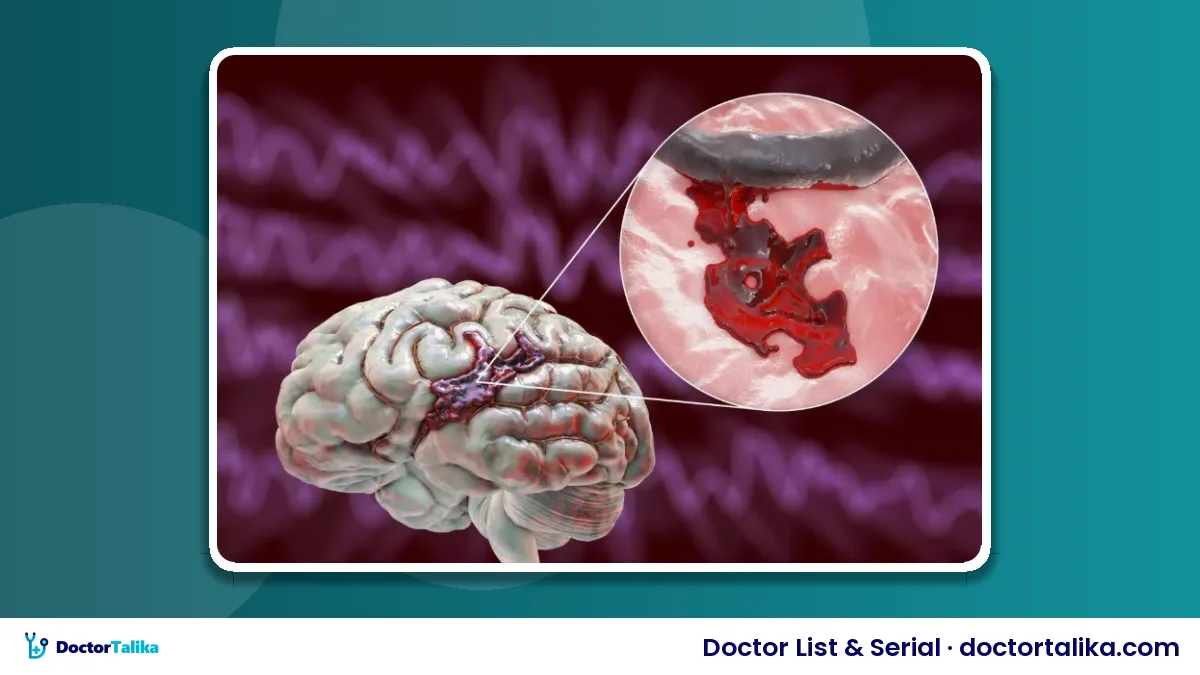
Also called an intracranial hemorrhage, a brain hemorrhage is a kind of stroke that happens when there is bleeding inside the brain. It is an emergency that can be fatal and needs urgent care. When every minute counts, knowing the symptoms of a brain hemorrhage can make the difference between life and death.
This article takes a close look at its symptoms, causes and risk factors.
Understanding a Brain Hemorrhage
A brain hemorrhage happens when a blood vessel inside the brain bursts and blood spills into the nearby brain tissue. This blood raises the pressure inside the skull, harms brain cells and cuts down the oxygen they receive. It can be brought on by injury, high blood pressure, aneurysms, abnormal blood vessels or bleeding disorders.
Brain hemorrhages come in a few kinds, such as:
- Intracerebral hemorrhage: bleeding inside the brain tissue itself.
- Subarachnoid hemorrhage: bleeding into the gap between the brain and the thin layers that wrap around it.
- Subdural and epidural hematomas: bleeding that collects between the skull and the layers of the brain.
Typical Brain Hemorrhage Symptoms
Spotting the first signs of a brain hemorrhage is extremely important. What a person feels depends on where the bleed is and how serious it is, but these are among the most frequent signs:
1. A Sudden, Severe Headache
A sudden, very intense headache is one of the best-known signs. Many patients call it the worst headache they have ever had. The pain may be sharp and constant, and it often strikes with no warning at all.
2. Feeling Sick and Vomiting
Bleeding raises the pressure on the brain, which can make a person feel sick and vomit, usually alongside a bad headache.
3. Numbness or Weakness
A bleed can disturb feeling and muscle control, so weakness or numbness may appear suddenly, most often on one side of the body.
4. Passing Out
When the brain swells or does not get enough oxygen, the person may faint, become unconscious or slip into a coma.
5. Seizures
The bleed can set off abnormal electrical signals in the brain and cause seizures, which may show up as fits or brief spells where the person does not respond.
6. Problems With Eyesight
Depending on which area of the brain is hit, a person may have double or blurry vision, or lose sight in one eye or both.
7. Trouble Speaking or Understanding Others
Words may come out slurred or jumbled, and the person may find it hard to speak or follow what others are saying.
8. Unsteady Walking or Clumsiness
They may look wobbly, lose their balance or find walking difficult.
9. Tingling
Tingling or a pins-and-needles feeling may be an early clue, particularly when it starts all of a sudden.
10. Confusion and Changes in Behaviour
When brain function is badly hit, the person may become confused or irritable and show sudden shifts in mood.
What Causes a Brain Hemorrhage and Who Is at Risk
A bleed in the brain can be caused by a range of things, such as:
- High blood pressure (hypertension), the most common cause
- Injury or trauma to the head
- Aneurysms, where a vessel wall has become weak
- Arteriovenous malformations (AVMs)
- Disorders of blood clotting
- Tumours in the brain
- Taking blood thinners or anticoagulant medicines
- Drug misuse, particularly cocaine or amphetamines
When to Get Emergency Help
A brain hemorrhage needs emergency treatment. If you or anyone near you shows any of the signs listed above, do not wait — contact emergency services straight away.
Fast diagnosis and treatment greatly improve the chance of survival and lower the risk of lasting brain damage.
How It Is Diagnosed and Treated
A CT scan or MRI is usually used to confirm the bleed. After diagnosis, treatment can include:
- Medicines to keep blood pressure, seizures or brain swelling under control
- Surgery to take out clots, ease pressure or fix damaged vessels
- Rehabilitation to help recover movement, speech or thinking skills
How well a patient recovers depends on how large the bleed is, where it is, and how fast treatment begins.
Best Neurosurgeon in Bangladesh
Whether you or a family member is at risk of a brain hemorrhage or is recovering after one, getting advice from an experienced specialist is vital. Choosing the best neurosurgeon in Bangladesh helps make sure the diagnosis is correct, surgery is precise and rehabilitation is well planned. These specialists are trained to treat complicated brain problems using advanced methods and modern technology.
Final Words
A brain hemorrhage can strike without warning and cause terrible harm. Yet noticing early signs such as a severe headache, weakness, confusion or loss of speech can save a life. Do not brush these signs aside, because when it comes to the brain, time matters.

Doctor Talika (ডাক্তার তালিকা) বাংলাদেশের বিশেষজ্ঞ ডাক্তার, হাসপাতাল ও ডায়াগনস্টিক সেন্টারের তথ্য এক জায়গায় তুলে ধরে। আমাদের লেখা শুধু সাধারণ স্বাস্থ্য সচেতনতার জন্য — চিকিৎসার সিদ্ধান্ত নিতে অবশ্যই রেজিস্টার্ড ডাক্তারের পরামর্শ নিন।