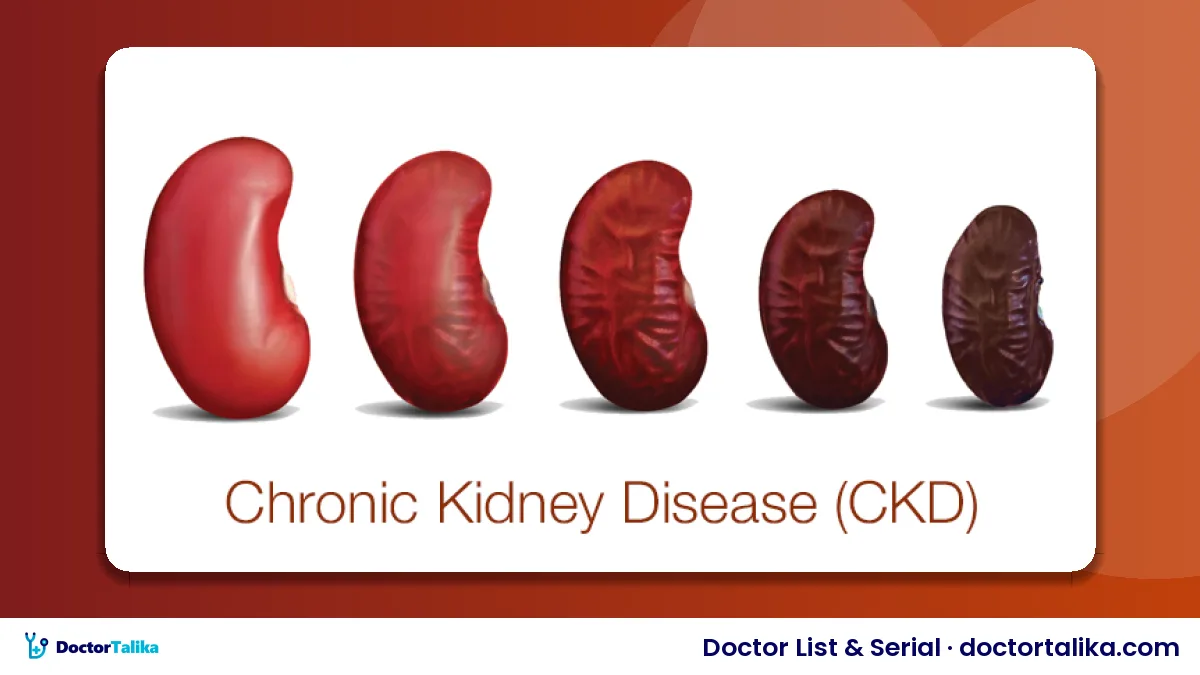
Chronic Kidney Disease (CKD) is a long-term illness in which the kidneys slowly lose their ability to work as they should. Healthy kidneys remove waste from the blood, keep electrolytes in balance and help control blood pressure. Once that work is disrupted, serious problems can follow, such as kidney failure, heart disease and stroke.
Knowing what causes chronic kidney disease helps with catching it early, preventing it and treating it. Below we look at the main causes of CKD and what you can do to keep your kidneys healthy.
Chronic Kidney Disease Explained
CKD means kidney function is lost little by little over months or even years. Doctors usually divide it into five stages: Stage 1 is the mildest, while Stage 5 means the kidneys have failed and dialysis or a transplant is needed.
CKD is different from acute kidney failure because it builds up slowly and often causes no symptoms at first. For this reason, people frequently call it a “silent” disease.
Main Causes of Chronic Kidney Disease
A number of factors can trigger chronic kidney disease. These are the ones seen most often:
1. Diabetes (Type 1 and Type 2)
The number one cause of chronic kidney disease is diabetes. When blood sugar stays high, it harms the blood vessels inside the kidneys, so they struggle to clear out waste and extra fluid.
- Long-standing diabetes can lead to a particular kidney disorder known as diabetic nephropathy.
- Keeping blood sugar under control greatly lowers the chance of developing CKD.
2. High Blood Pressure (Hypertension)
Next on the list of CKD causes is high blood pressure. Blood pressure that stays high day after day strains the small blood vessels of the kidneys.
- Over time the vessels can become weak or narrow, and kidney function drops.
- Medicines, a good diet and healthy habits that keep blood pressure in check are vital for the kidneys.
3. Glomerulonephritis
In glomerulonephritis, the tiny filters of the kidney, known as glomeruli, become inflamed. It may start all of a sudden or build up gradually.
- Infections, autoimmune illnesses or causes that remain unknown can trigger it.
- The chronic form of glomerulonephritis is a major reason people develop CKD.
4. Polycystic Kidney Disease (PKD)
PKD is passed down through genes and makes cysts full of fluid form in the kidneys. As the years go by, the cysts can harm kidney tissue and weaken how the kidneys work.
- Among inherited kidney diseases, it is one of the most frequent.
- Signs usually show up in adult life and can include high blood pressure, back pain and kidney stones.
5. Blocked Urinary Tract
If something blocks the urinary tract, urine can flow back up and harm the kidneys.
- Kidney stones, an enlarged prostate or tumors are frequent culprits.
- Treating a urinary blockage quickly is key to stopping CKD from developing.
6. Repeated Kidney Infections (Pyelonephritis)
Kidney infections that keep returning can leave scars and damage that slowly reduce how well the kidneys work.
- Long-running infections are often linked to abnormalities of the urinary tract.
- Antibiotics are needed to bring infections under control and protect the kidneys.
7. Autoimmune Diseases
Conditions such as lupus and IgA nephropathy may attack the kidneys head-on or set off inflammation that injures kidney tissue.
- Finding these conditions early and treating them with immunosuppressive therapy can keep them under control.
- People who have an autoimmune disease are advised to check their kidney function regularly.
8. Some Medicines
Taking certain medicines for a long time can damage the kidneys.
- NSAID painkillers (for example ibuprofen and naproxen), some antibiotics and the contrast dyes used in scans can all play a part in CKD.
- Talk to a healthcare provider before using any medicine over a long period.
9. Toxins and the Environment
Contact with heavy metals such as lead or mercury, industrial chemicals or polluted water raises the chance of kidney disease.
- Following safety rules at work and staying away from unregulated herbal remedies are important ways to protect yourself.
10. Kidney Disease in the Family
Your risk goes up if a close relative has kidney disease. Genes are part of the story, but shared habits matter too, and screening early can help keep this risk in check.
Signs and Symptoms of Chronic Kidney Disease
Early CKD usually has no symptoms at all. As the disease moves forward, people often notice:
- Tiredness and weakness
- Swollen feet and ankles
- Changes in how you pass urine
- Breathlessness
- High blood pressure
- Itching that won't go away
Notice any of these signs? See a Kidney Specialist Doctor for a proper check-up and diagnosis.
How to Help Prevent Chronic Kidney Disease
Not every cause of CKD can be avoided, but these steps can lower your risk:
- Keep diabetes and blood pressure well controlled
- Eat a healthy diet that is low in sodium and protein
- Stay away from smoking and too much alcohol
- Be physically active on a regular basis
- Have routine check-ups, particularly if kidney disease runs in your family
- Drink enough water, but not too much
- Avoid over-the-counter medicines that may harm the kidneys
In Summary
Chronic kidney disease is serious and is often missed until it has reached a late stage. When you understand what causes it — diabetes, hypertension, genetic disorders, infections and more — you can act early to protect your kidneys. Getting help early is the best way to slow the disease down and keep enjoying a good quality of life.

Doctor Talika (ডাক্তার তালিকা) বাংলাদেশের বিশেষজ্ঞ ডাক্তার, হাসপাতাল ও ডায়াগনস্টিক সেন্টারের তথ্য এক জায়গায় তুলে ধরে। আমাদের লেখা শুধু সাধারণ স্বাস্থ্য সচেতনতার জন্য — চিকিৎসার সিদ্ধান্ত নিতে অবশ্যই রেজিস্টার্ড ডাক্তারের পরামর্শ নিন।