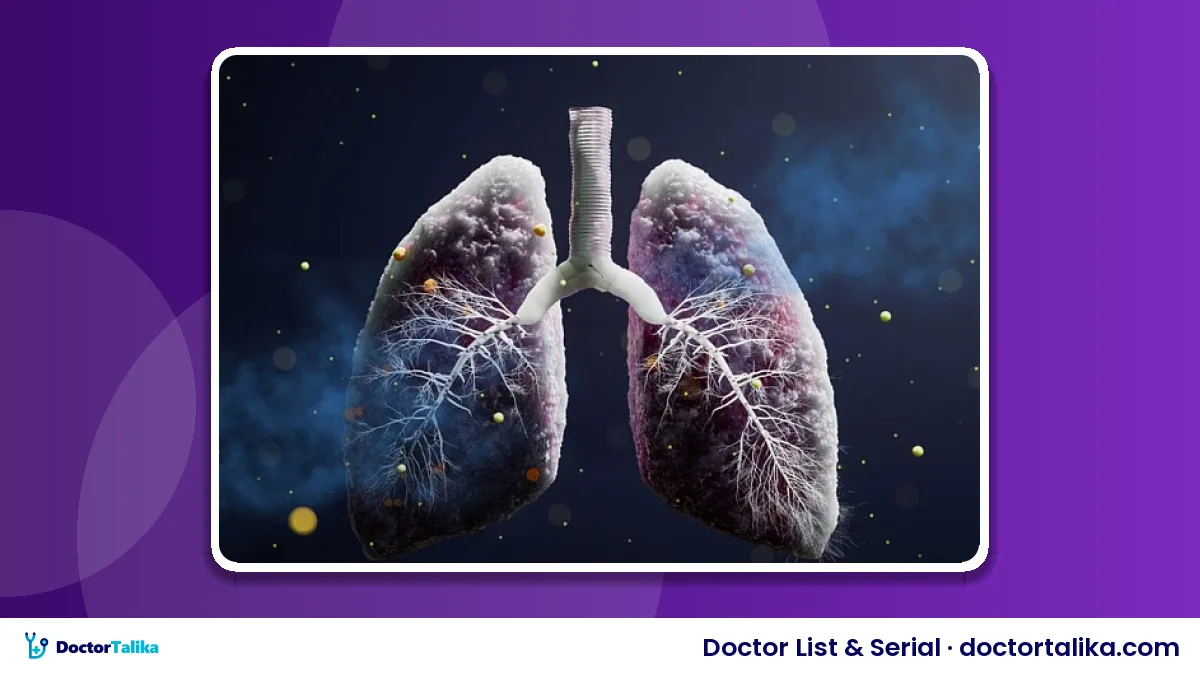
Infections of the lungs are common, yet they can be serious and can strike at any age. Some cause only mild breathing trouble, while others, such as pneumonia, can put a life at risk. Spotting the warning signs early means you can get treatment in time and steer clear of dangerous complications.
Here we look at the main lung infection symptoms, the various kinds of infection, the right moment to get medical care, and why seeing a Chest Specialist matters when your breathing is affected.
What Exactly Is a Lung Infection?
When bacteria, viruses or fungi get into the lungs, they trigger inflammation, and this is called a lung infection. The types seen most often are:
- Pneumonia, where the air sacs of one lung or both become inflamed
- Bronchitis, which is swelling of the bronchial tubes
- Tuberculosis (TB), a serious bacterial disease due to Mycobacterium tuberculosis
- COVID-19, a virus that attacks the respiratory system
- Fungal infections such as aspergillosis, seen more in people whose immunity is weak
The symptoms differ a little from one infection to another, although many of them are shared.
Common Lung Infection Symptoms
Knowing the signs helps doctors diagnose and treat the problem early. Keep an eye out for the following:
1. A Cough That Won't Go Away
If a cough hangs on for longer than a week, a lung infection may be the reason. It often begins dry and later brings up mucus or phlegm.
- The mucus can be clear, yellow or green, and sometimes streaked with blood.
- Never brush off a cough that keeps getting worse, particularly if it comes with chest pain.
2. Breathlessness
Struggling for breath is typical of the more serious infections, such as pneumonia or COVID-19.
- Even light activity can leave you out of breath.
- In very bad cases, breathing feels hard even when you are sitting still.
3. Pain in the Chest
An infection can inflame the lungs and the pleura (the thin layer covering them), which makes the chest feel sore.
- Coughing or taking a deep breath can make it hurt more.
- The feeling may be sharp, almost like a stab.
4. Fever With Chills
Your body raises its temperature to fight the germs. With lung infections, and bacterial ones in particular, you may notice:
- A temperature higher than 100.4°F (38°C)
- Shivering along with bouts of sweating
- Sweating at night, as seen in TB
5. Tiredness and Low Energy
Battling an infection uses up a great deal of energy, so you can end up feeling worn out and weak. How tired you feel depends on what kind of infection it is and how severe it has become.
6. Wheezing or Rattling Breath
Many people with a lung infection make a whistling or crackling noise as they breathe. This points to narrowed airways or fluid inside the lungs.
- Notice whether you hear a high, whistle-like sound when breathing out.
7. Blue Tinge on Lips or Fingertips
Called cyanosis, this shows that the oxygen in your blood has dropped to a dangerous level.
- Get emergency medical care straight away.
8. Poor Appetite and Feeling Sick
A lung infection can take away your desire to eat and upset your stomach with nausea, more so when a virus is to blame.
How Symptoms Differ by Age
- Children may breathe fast, flare their nostrils or not want to eat.
- Older adults can become confused and weak, and may have a body temperature that is below normal rather than a high fever.
When You Should See a Doctor
Get medical help if:
- Your symptoms last longer than a week
- You have a high fever with chills
- It becomes hard to breathe
- The pain in your chest gets worse
- There is blood when you cough
- Tiredness stops you from doing daily tasks
People in Dhaka and nearby areas should see a Chest Specialist in Dhaka to get the right diagnosis and a treatment plan. These doctors can order tests like a chest X-ray, CT scan or sputum test to find out what is causing the infection, and then prescribe suitable antibiotics or antivirals.
How Lung Infections Are Diagnosed and Treated
Diagnosis:
- A physical check-up and discussion of your symptoms
- Imaging such as a chest X-ray or CT scan
- Laboratory tests, including blood tests and sputum culture
- Pulse oximetry to check how much oxygen is in your blood
Treatment:
- Antibiotics when bacteria are the cause
- Antivirals when a virus is responsible
- Antifungals for infections caused by fungi
- Oxygen therapy when breathing is badly affected
- Plenty of rest and fluids so the body can heal
How to Prevent Lung Infections
- Take vaccines for flu, pneumonia and COVID-19
- Keep clean and wash your hands often
- Do not smoke, and stay away from polluted air
- Build up your immunity with a healthy diet and regular exercise
- Put on a mask in dusty or crowded places
- Keep long-term illnesses such as asthma or diabetes under control
Conclusion
A lung infection may be mild or it may threaten life. Knowing the symptoms and responding quickly gives you a much better chance of getting well. A cough that won't clear, pain in the chest or trouble breathing are all warning signs you should never ignore.

Doctor Talika (ডাক্তার তালিকা) বাংলাদেশের বিশেষজ্ঞ ডাক্তার, হাসপাতাল ও ডায়াগনস্টিক সেন্টারের তথ্য এক জায়গায় তুলে ধরে। আমাদের লেখা শুধু সাধারণ স্বাস্থ্য সচেতনতার জন্য — চিকিৎসার সিদ্ধান্ত নিতে অবশ্যই রেজিস্টার্ড ডাক্তারের পরামর্শ নিন।