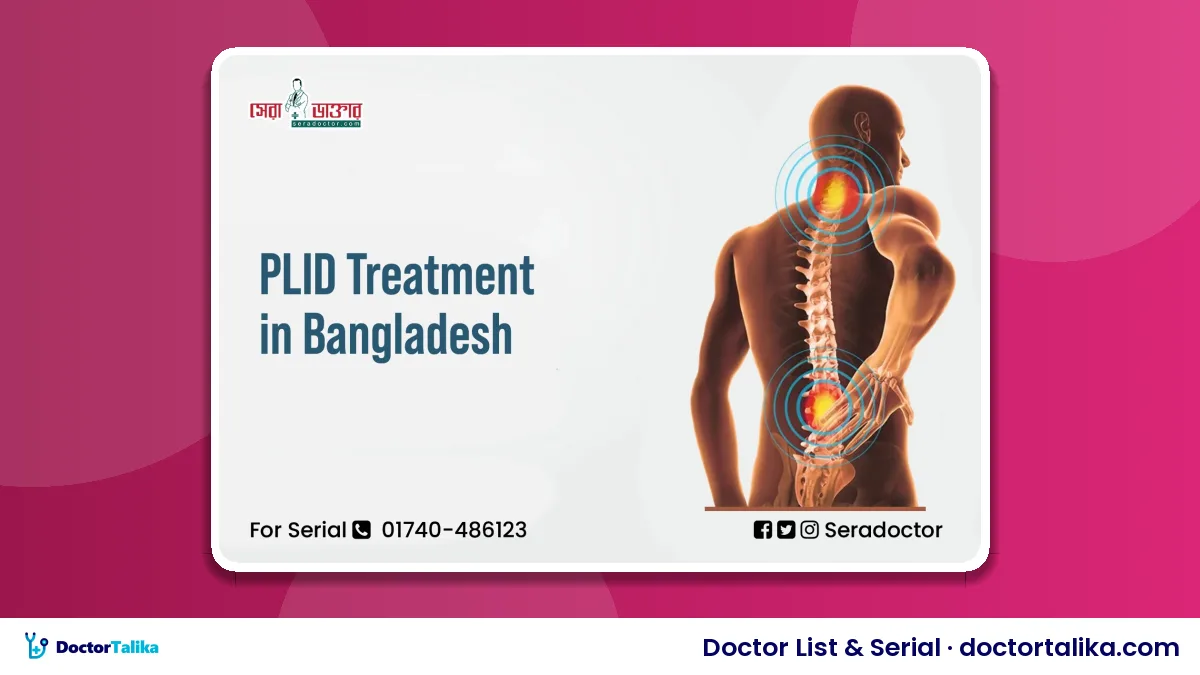
Every year, thousands of people in Bangladesh develop Prolapsed Lumbar Intervertebral Disc (PLID), one of the most frequent problems of the spine. It may start after an injury, from daily habits or simply with age, and the long-lasting low back pain, leg pain and trouble moving around can seriously disturb normal life. If you are looking into PLID treatment in Bangladesh, this guide walks you through why it happens, how it shows up, how doctors confirm it and which treatments you can get in the country.
What Does PLID Mean?
The short form PLID means Prolapsed Lumbar Intervertebral Disc. In simple words, one of the discs in the lumbar part of the spine (the lower back) bulges or herniates. The displaced disc presses on nearby nerve roots, and this pressure causes pain, numbness or weakness in the legs.
Other names you may hear:
- Lumbar disc herniation
- Slip disc treatment
- Spinal disc bulge
- Sciatica nerve compression
- Lower back pain treatment
What Causes PLID?
Knowing where PLID comes from helps you both avoid it and handle it better. The usual risk factors are:
- Little physical activity or sitting for many hours
- Lifting objects the wrong way
- Excess body weight or obesity
- Wear and tear that comes with age
- Accidents or injuries to the spine
- Smoking, which cuts down the nourishment the discs receive
Signs and Symptoms of PLID
A lot of people with PLID in Bangladesh start treatment late simply because they miss the early warning signs. Watch for the following:
- Lower back pain that does not go away
- Pain shooting down the leg (sciatica)
- Tingling or numbness in the leg or foot
- Weak muscles in the legs
- Trouble standing or walking
- Problems controlling the bladder or bowel (in serious cases)
If any of these sound familiar, see a spine specialist in Bangladesh so the problem can be diagnosed early.
How PLID Is Diagnosed in Bangladesh
To confirm PLID, hospitals and spine centres around the country usually rely on these methods:
1. Physical Examination
The spine surgeon checks your movement, reflexes and nerve function with a few hands-on clinical tests.
2. MRI (Magnetic Resonance Imaging)
This is the most precise way to see a prolapsed disc and any pressure on the nerve roots.
3. CT Scan or X-ray
Helps doctors look for structural problems in the bones of the spine.
4. Nerve Conduction Study (NCS)
Checks how healthy the nerves are and how fast they carry signals, mostly in long-standing cases.
You can get these tests at reasonable prices in many hospitals in Dhaka, Chittagong and other cities.
PLID Treatment in Bangladesh: Your Options
Broadly, PLID treatment in Bangladesh falls into two groups: treatment without surgery and treatment with surgery. Which one suits you depends on how severe the problem is.
✅ Treatment Without Surgery
For mild or moderate PLID, doctors normally start with these:
1. Medicines
- Painkillers (NSAIDs)
- Drugs that relax the muscles
- Medicines for nerve pain (for example, pregabalin)
2. Physiotherapy
- Exercises to stretch and strengthen
- Training to stabilise the core
- Lumbar traction therapy
3. Changes in Daily Life
- Keeping body weight in check
- Not lifting heavy loads
- Setting up the workplace ergonomically
4. Epidural Steroid Injections
- Corticosteroid shots that ease pain and calm inflammation.
✅ Treatment With Surgery
Doctors think about an operation when 6-8 weeks of conservative care have not worked, or when the patient starts showing neurological deficits.
1. Microdiscectomy
- A minimally invasive operation that takes out the herniated part of the disc.
2. Laminectomy
- A section of the vertebra is removed so the nerve is no longer squeezed.
3. Endoscopic Spine Surgery
- A modern, laser-assisted technique with less pain and quicker recovery.
Minimally invasive spine surgery is now available at a number of hospitals in Bangladesh, with good success rates.
How Much Does PLID Treatment Cost in Bangladesh?
The PLID treatment cost in Bangladesh changes with the kind of treatment you need:
- Doctor's consultation: ৳500 – ৳2000
- MRI: ৳4000 – ৳8000
- Medicines for one month: ৳1000 – ৳3000
- Physiotherapy, each session: ৳500 – ৳1500
- Microdiscectomy surgery: ৳60,000 – ৳4,00,000
Treatment costs less at government hospitals, whereas private hospitals offer faster service and more advanced equipment.
Top Doctors for PLID Treatment in Bangladesh
For diagnosis and surgery of PLID, you can see the specialists listed below:
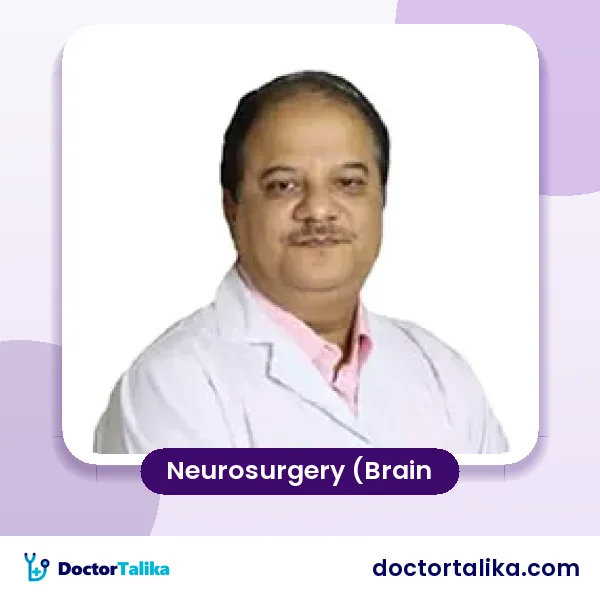
1প্রফেসর ডাঃ মোঃ শফিউল আলম
Professor Dr. Md. Shafiul Alam
নিউরো সার্জন · Neurosurgery (Brain
MBBS, FCPS (Surgery), MS (Neurosurgery), FICS, FACS (America), MRCS (Glasgow)
প্রোফাইল ও সিরিয়াল →Frequently Asked Questions on PLID Treatment in Bangladesh
1. Does PLID last forever?
Not necessarily. With early treatment and healthier habits, PLID can often be controlled, and many people recover from it.
2. Is it possible to treat PLID without an operation?
Yes. Most patients get better with medicines, physiotherapy and enough rest.
3. How long does it take to recover from PLID surgery?
In most cases recovery takes 4–6 weeks, depending on which operation was done and the patient's general health.
4. Is PLID treatment costly in Bangladesh?
Not really. Compared with neighbouring countries, treatment here is fairly affordable.
5. Will life go back to normal after PLID?
For most patients, yes. With the right treatment, regular exercise and some care, they get back to their usual routine.
Conclusion
Back pain or signs of a slipped disc in you or someone close should never be brushed aside, because treating it early can stop serious complications. With today's modern hospitals and skilled doctors, PLID treatment in Bangladesh is easier to reach and works better than it ever has.
Wherever you live, be it Dhaka, Chittagong or Sylhet, good care for spine problems is not far away. Before choosing surgery or any other treatment, always talk to a spine specialist first.

Doctor Talika (ডাক্তার তালিকা) বাংলাদেশের বিশেষজ্ঞ ডাক্তার, হাসপাতাল ও ডায়াগনস্টিক সেন্টারের তথ্য এক জায়গায় তুলে ধরে। আমাদের লেখা শুধু সাধারণ স্বাস্থ্য সচেতনতার জন্য — চিকিৎসার সিদ্ধান্ত নিতে অবশ্যই রেজিস্টার্ড ডাক্তারের পরামর্শ নিন।